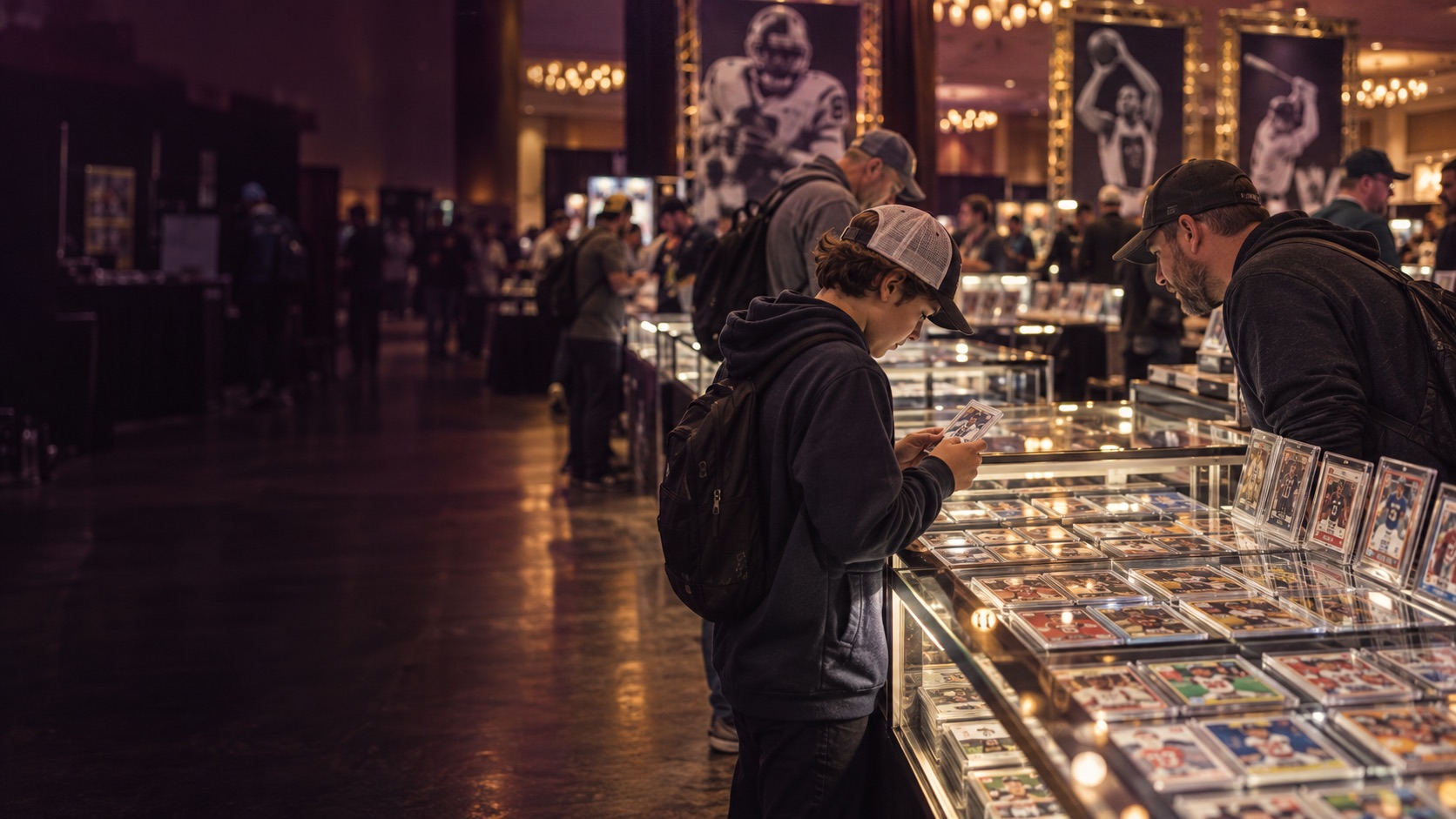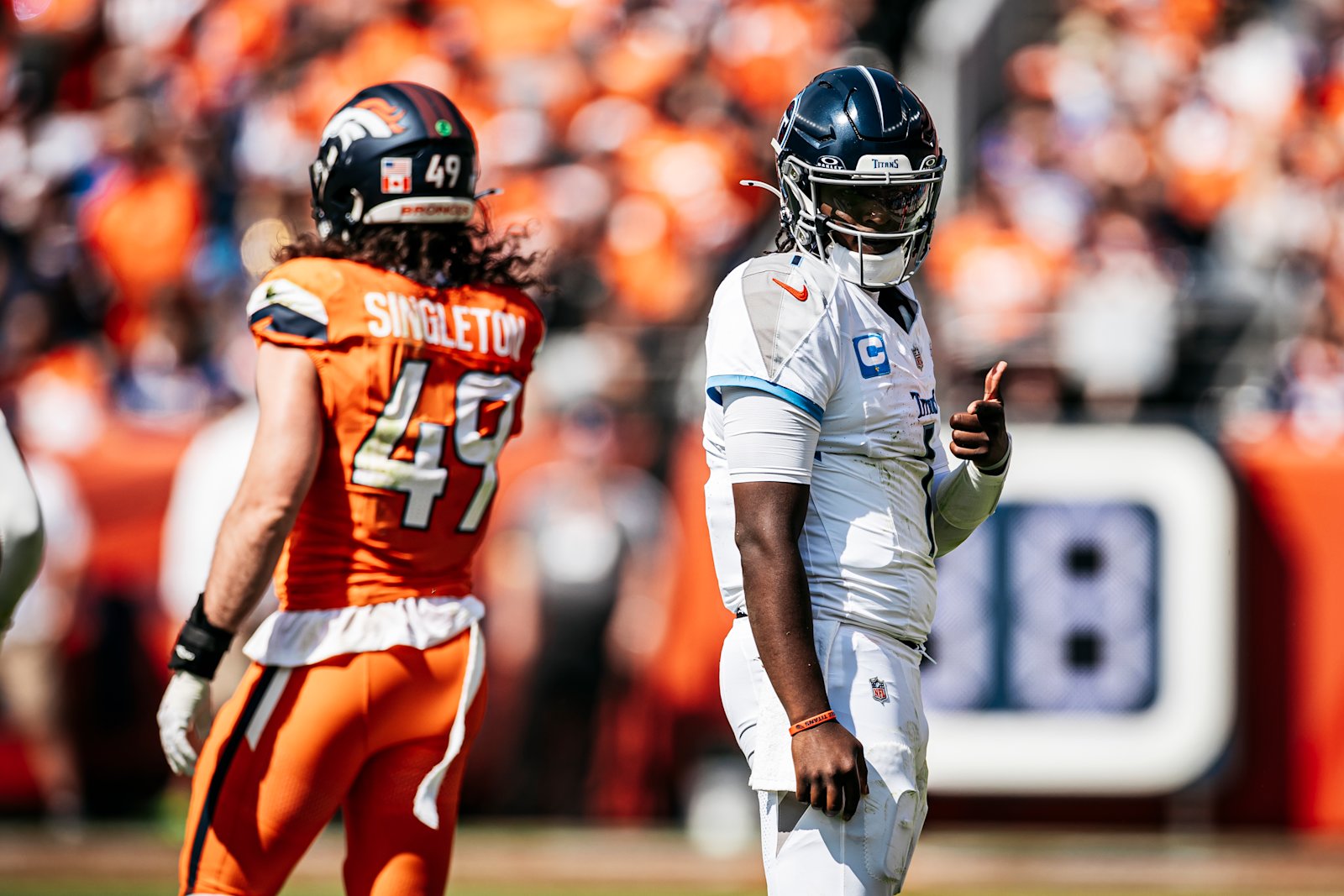
Choose a focus you enjoy
Pick one small lane for your first few cards. A favorite player or team gives you a way to compare cards without feeling that you need to learn the entire hobby at once.
Set a comfortable spending limit before you browse. The best collection is one you can enjoy without needing every card to rise in value.
Learn what you are looking at
Record the year, brand, set, card number, player, and any parallel or serial number. Two cards with the same photo can be different versions, so compare the full details before buying.
- Raw means the card has not been professionally graded.
- A parallel is an alternate version of a base card, often with a different color or finish.
- A serial number shows how many copies of that version were made.
Buy with a simple checklist
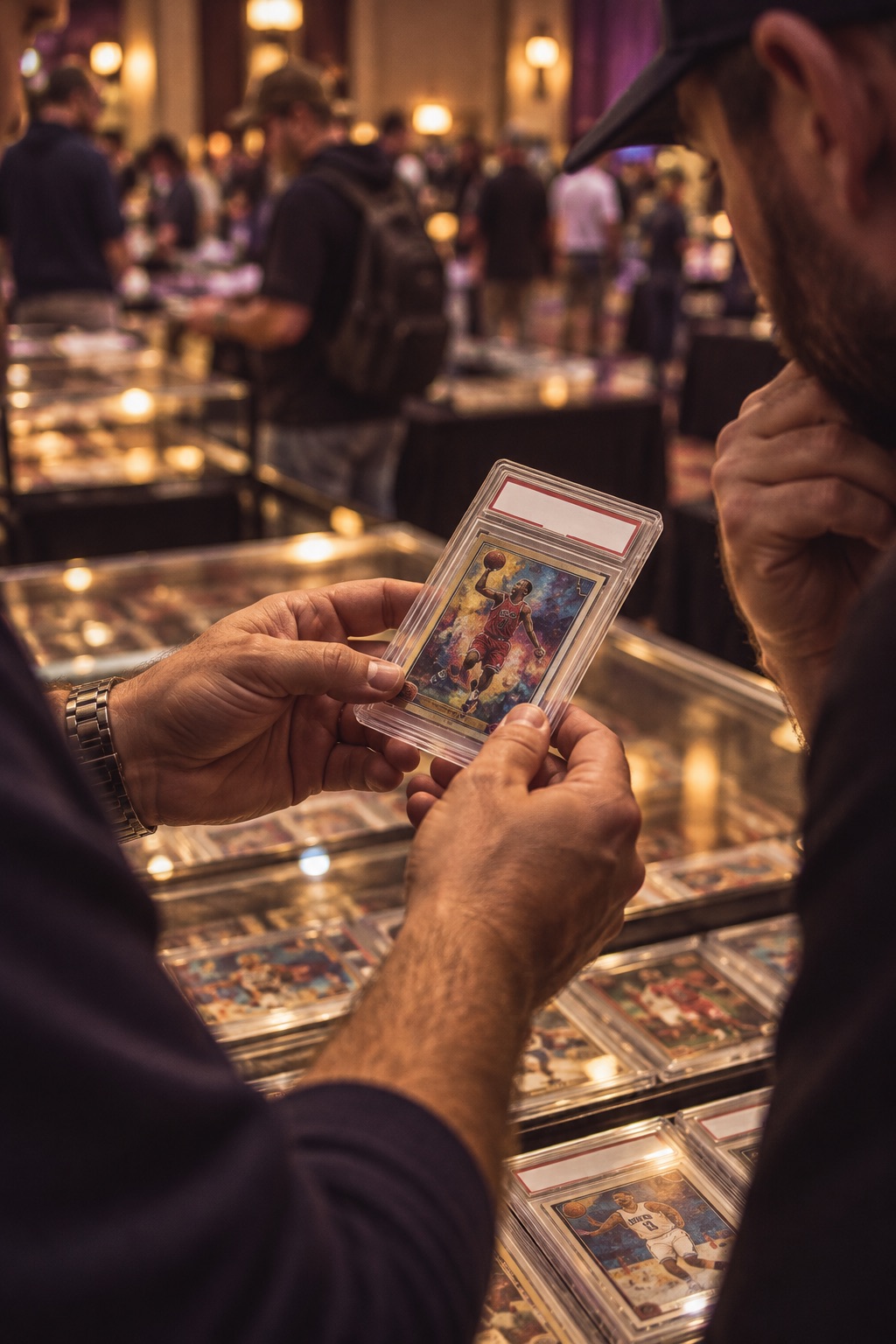
Look at clear photos of the front, back, corners, edges, and surface. Read the seller’s condition notes and return terms. Compare the exact version against recent completed sales, rather than only current asking prices.
Start with a card you would still be happy to own if its market price changed. That makes the first purchase about collecting, not guessing.


Devin Neal
New Orleans Saints
2025 Donruss · #359


Josaiah Stewart
Los Angeles Rams
2025 Donruss · #376


Braelon Allen
New York Jets
2025 Donruss · #261
Press Proofs


Jackson Hawes
Buffalo Bills
2025 Donruss · #357


Trevor Etienne
Carolina Panthers
2025 Donruss · #326


T.J. Sanders
Buffalo Bills
2025 Donruss · #351


Audric Estime
Denver Broncos
2024 Donruss Optic · #206


Oluwafemi Oladejo
Tennessee Titans
2025 Donruss · #384
Protect and keep track
Sleeve cards carefully and use a holder suited to their thickness. Store them upright in a cool, dry space. A basic list with the card details, purchase date, and price makes future trades and sales easier.
Start with a focus and a comfortable budget
Pick a player, team, sport, or design you enjoy. A small focus makes it easier to compare cards and decide which releases belong in your collection.
Set a budget for the card and the total order, including shipping and any taxes shown at checkout. There is no required collection size, and a rookie label, autograph, or grade does not guarantee future value.
Compare the exact card, not just the player
Write down the release year, manufacturer, set, card number, and parallel. Two cards with the same photograph can be different versions, with different finishes, numbering, or autographs.
Check whether the card depicts a college, club, national, or professional team. An early appearance, prospect card, draft card, and manufacturer-designated rookie card can mean different things depending on the release.
Use the photos and the grading label together
Review the front and back photographs for visible corners, edges, centering, and surface details. Read the listing for condition notes and ask questions when the available photos do not resolve a detail you care about.
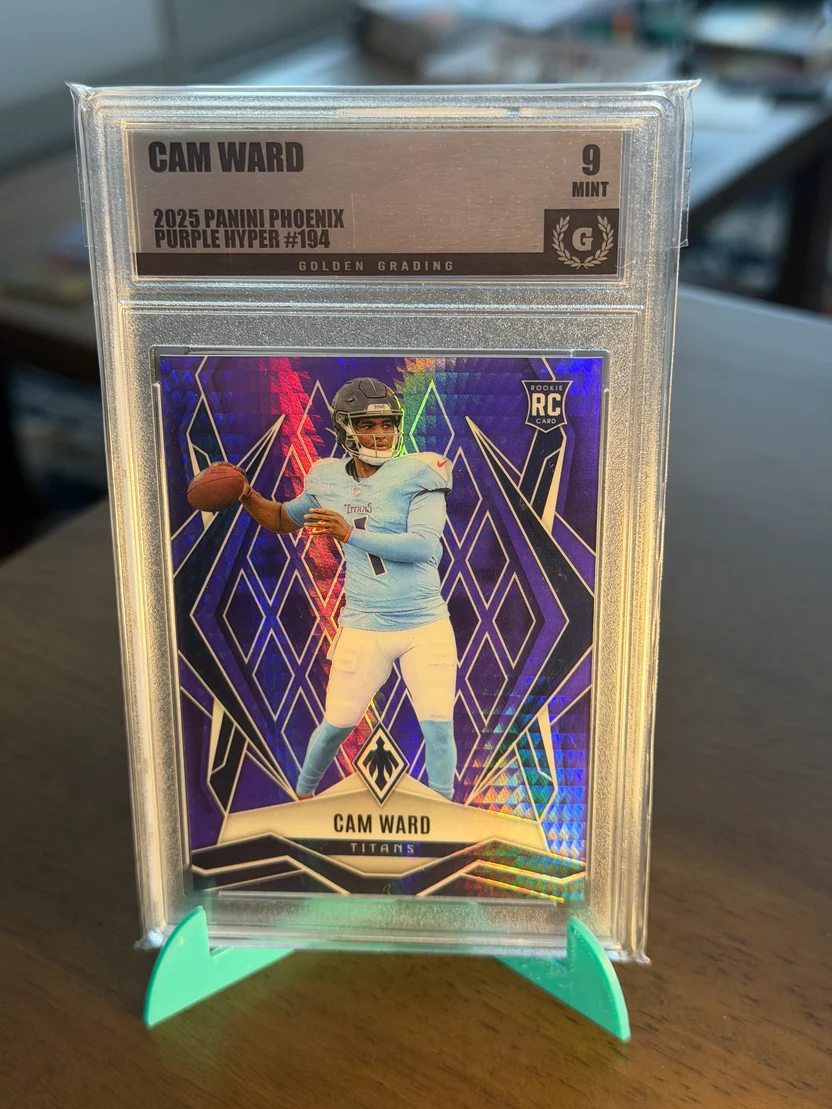
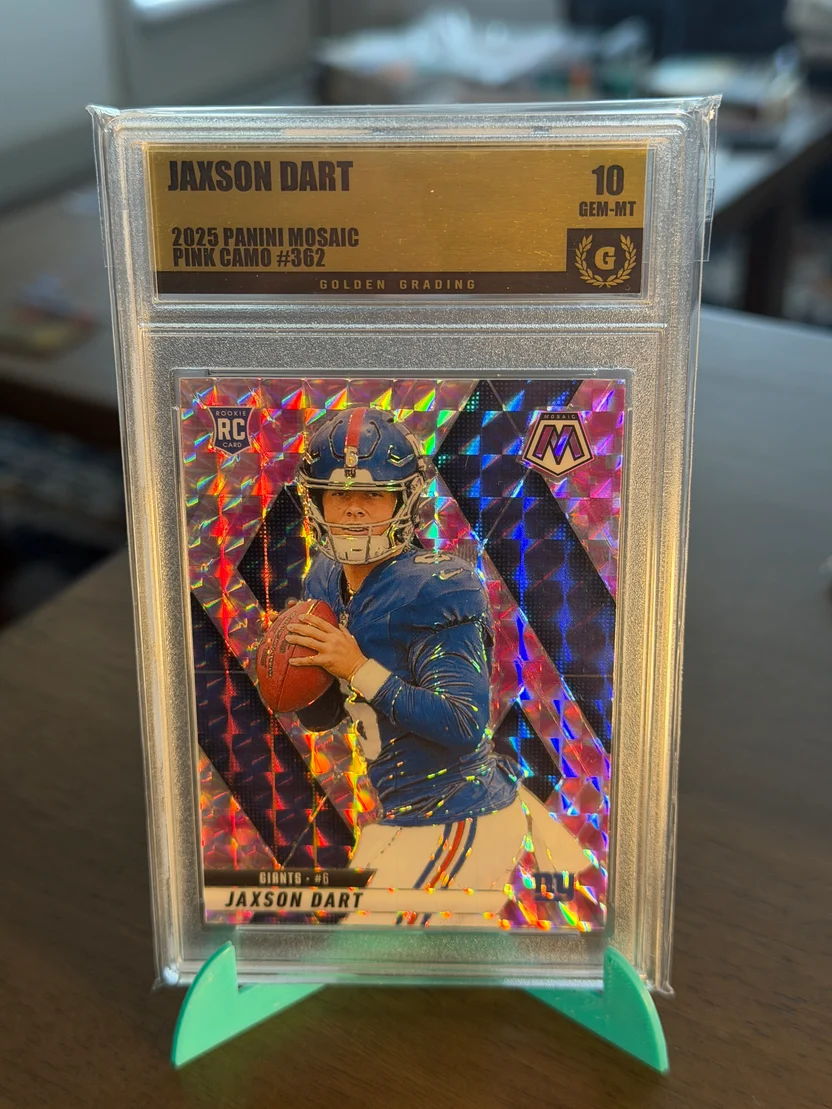
For a graded card, read the grading company, grade, label description, and certification number as a group. Use the company’s official certification lookup when a number is supplied. A condition grade and an autograph grade can describe different assessments.
Keep a simple collection checklist
Record the player, year, set, card number, parallel, any serial number, and grade. Add your purchase price and a photo so you can distinguish similar versions later.
Save favorite players, teams, and cards in your J13 account. If you want to hear about new matching listings, opt in to a separate card alert; a favorite does not automatically subscribe you to email.
Store and handle cards with care
Use sleeves and holders sized for the card, including thicker memorabilia cards. Handle cards by their edges where practical and avoid forcing a card into a tight holder.
Keep your collection in a stable, dry place away from direct sunlight. Preserve the grading holder and label on slabbed cards, and keep any supporting purchase or authentication records with your collection notes.